

Naples, Florida · Free admission
America’s military history, told by those who served
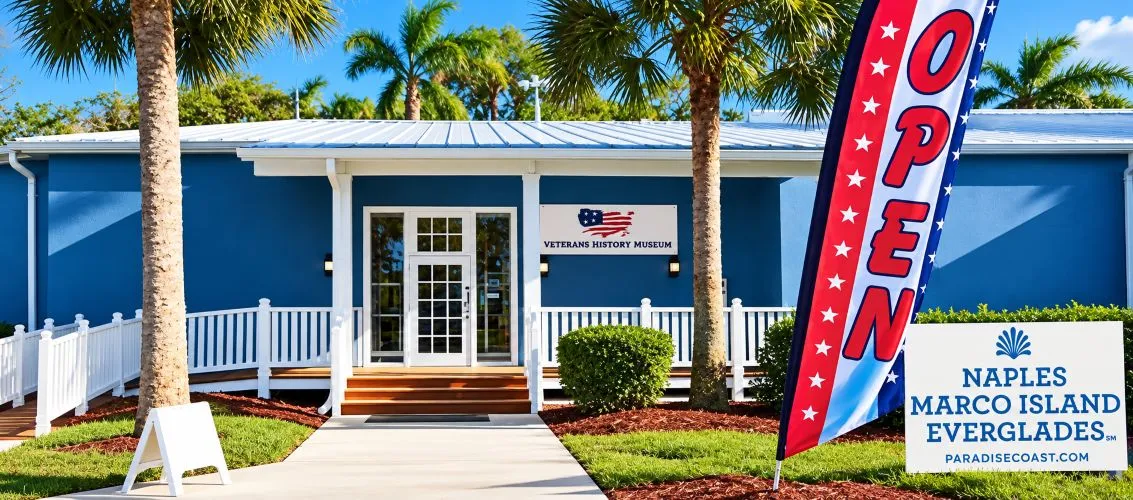
The Veterans History Museum shares the stories of those who served, from the Revolutionary War to the Gulf Wars. Letters, uniforms, medals and more, donated by veterans and their families. Inside the Collier Museum at Government Center.
- HoursTue–Sat, 10 a.m.–4 p.m.
- AdmissionFree for everyone
- Location3331 Tamiami Trail E, Naples
- 10,000artifacts (approx.) in the collection
- 1775where the story begins
- 8wars represented
- Freeadmission for everyone
The collection
What will I see at the Veterans History Museum?
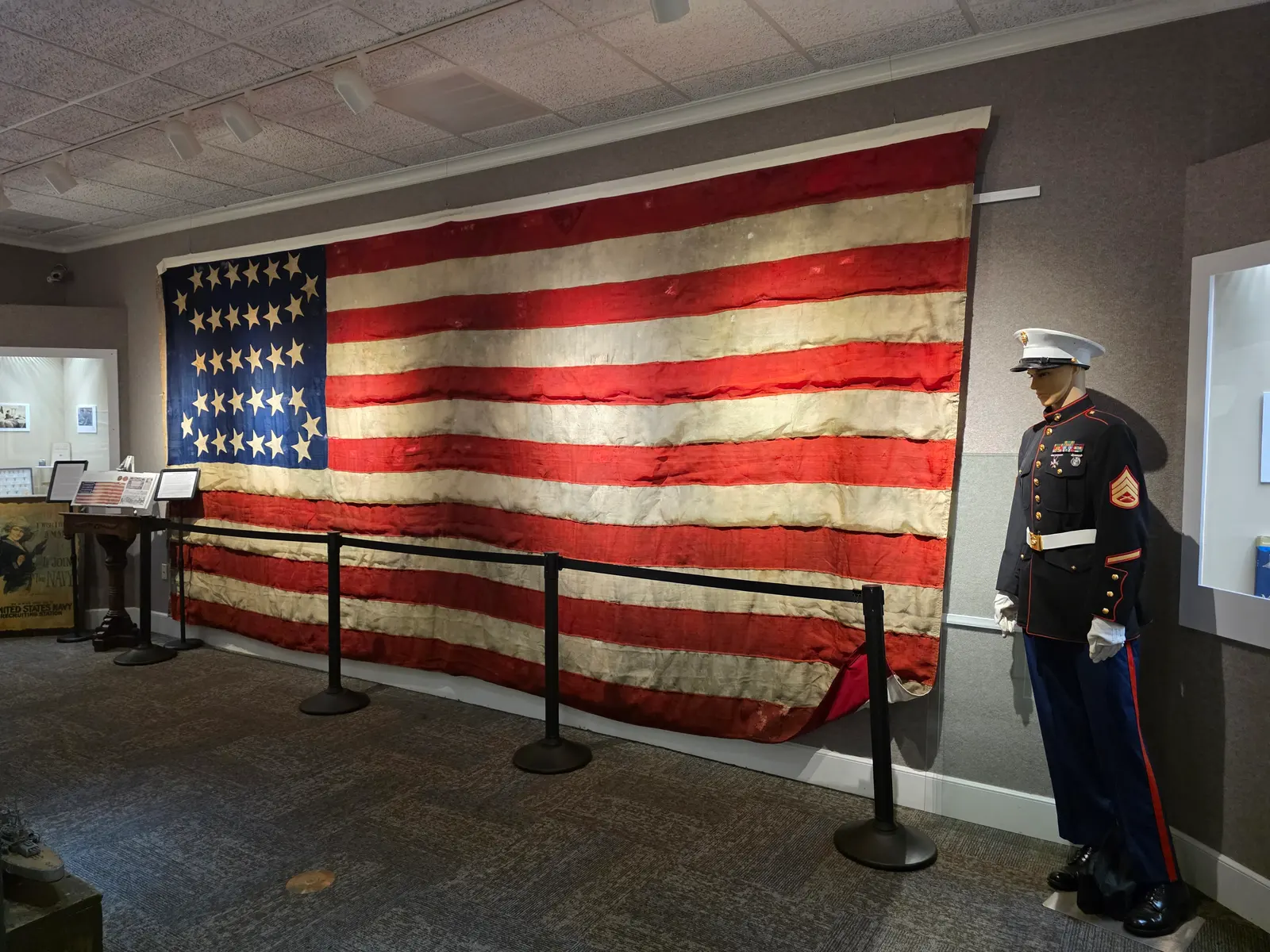
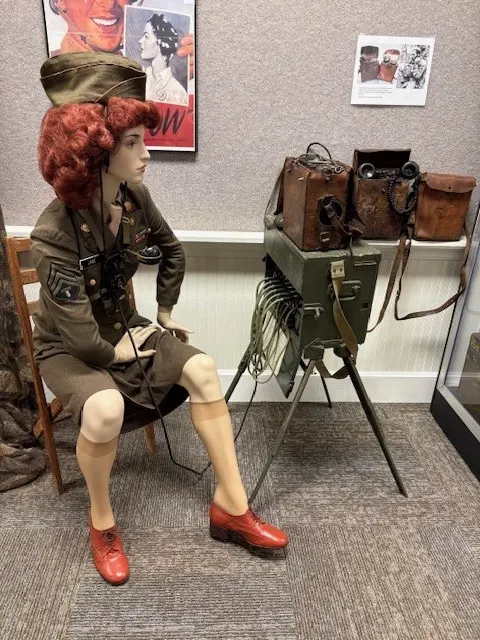
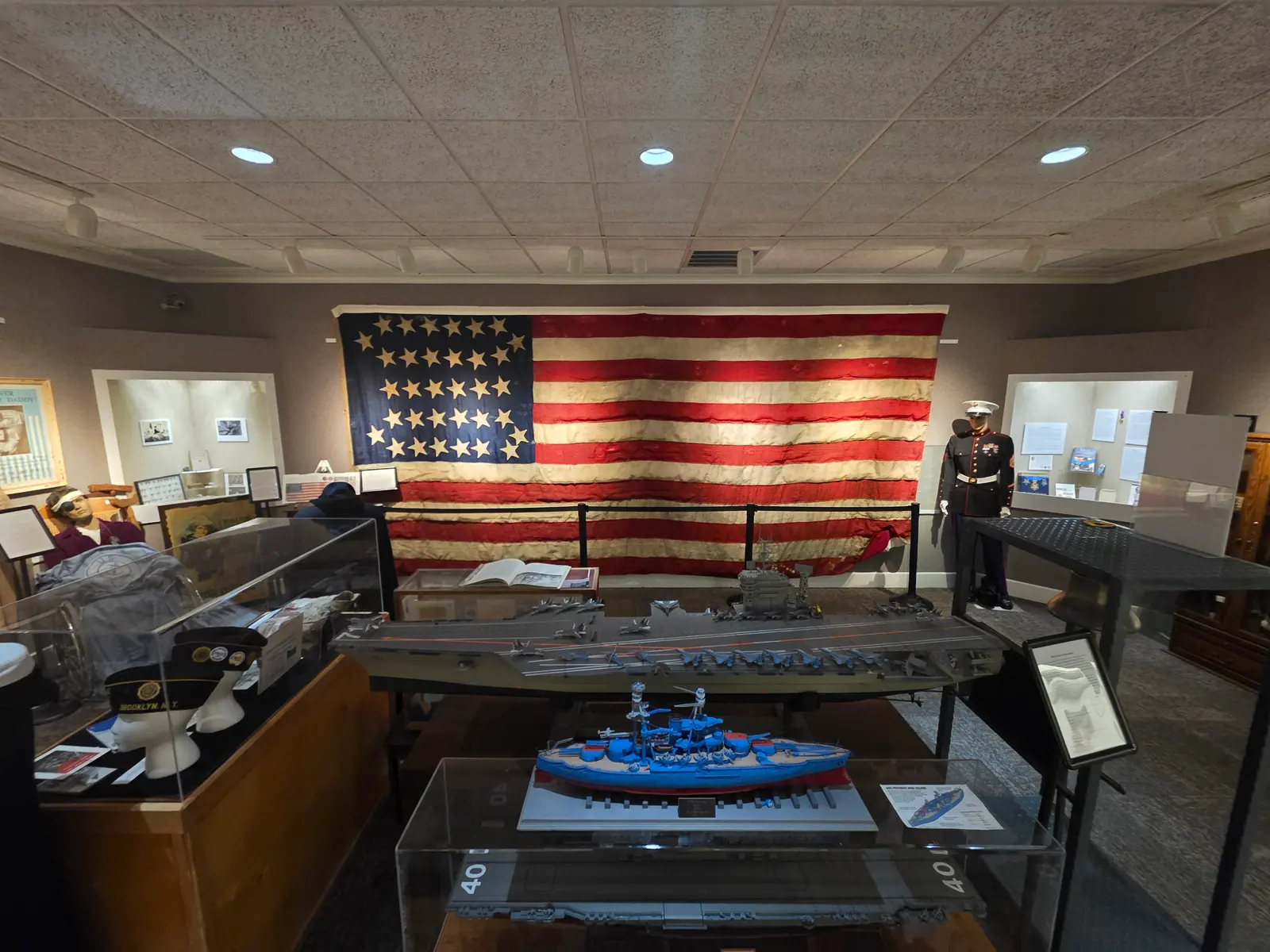
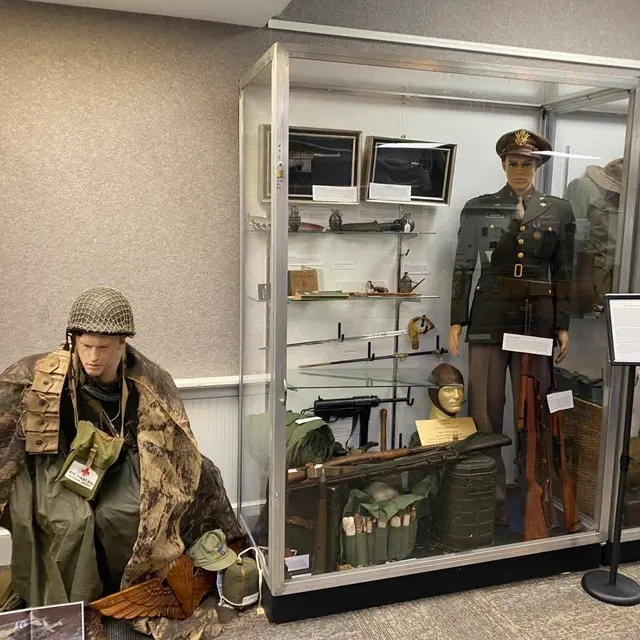
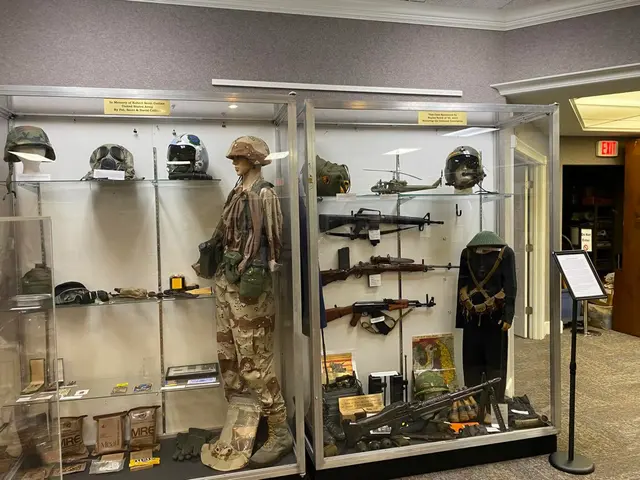
The collection holds approximately 10,000 artifacts from 1775 to the present: letters, books, drawings, posters, uniforms, medals, ribbons, weapons and scale models. Pieces rotate through the galleries, and items not on display are kept in storage until their next rotation. Many were donated by veterans and their families.

In the news
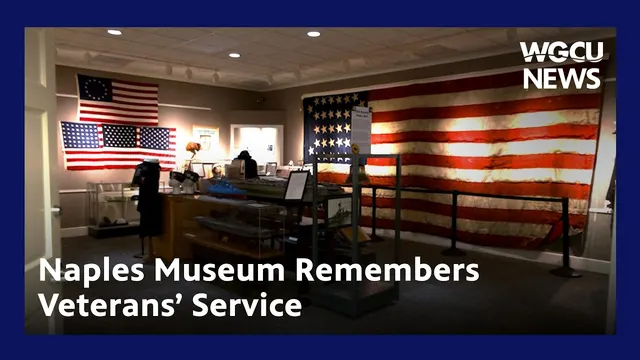
WGCU News visits the museum
WGCU Culture and Connections reporter Elizabeth Andarge toured the galleries and asked why it matters to teach future generations about the men and women who served.
1775 to today
Which wars does the collection cover?
The collection spans more than two centuries of American service, from the Revolutionary War through World Wars I and II and the Korean, Vietnam and Gulf wars. Choose an era to see what’s on display.
1775–1783
American Revolution
The collection’s timeline begins in 1775, the year the Continental Army was formed.
217,000Americans served
1812–1815
War of 1812
Artifacts from the early republic, when the young country fought Britain again.
286,730Americans served
1861–1865
Civil War
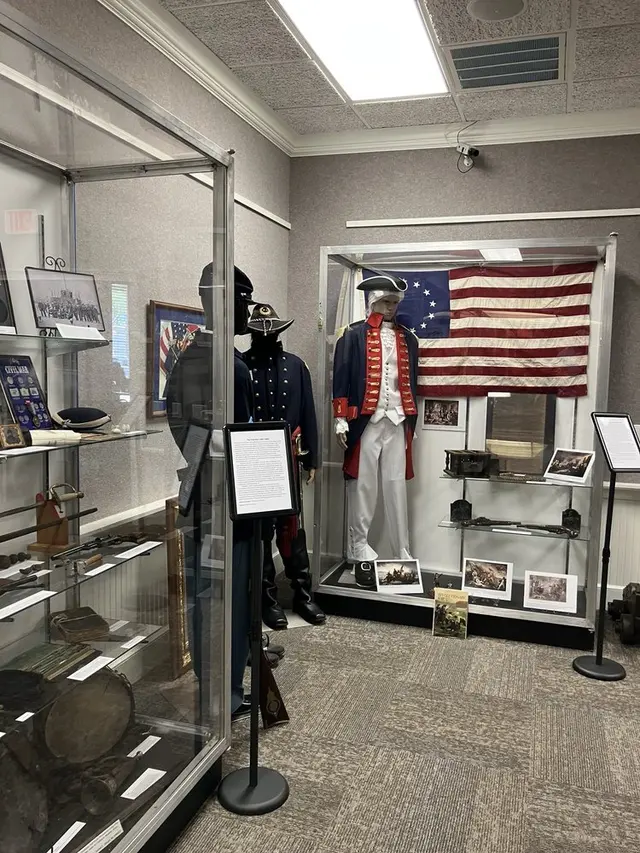
The museum’s Civil War collection includes a large, historic American flag and uniforms from the period.
2,213,363Americans served in the Union forces
1917–1918
World War I
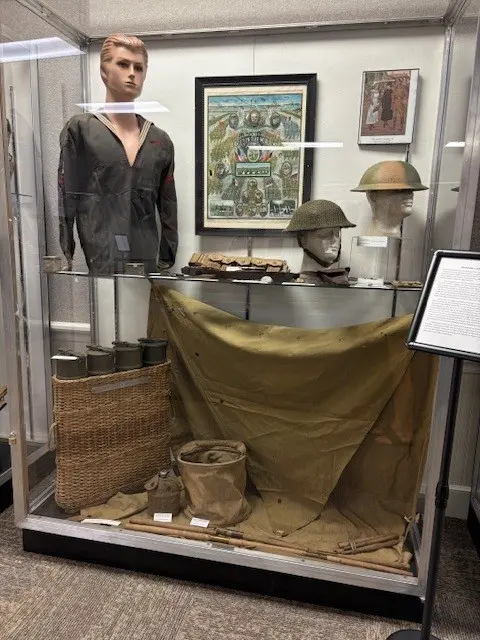
Helmets, uniforms and field gear from the war that brought America onto the world stage.
4,734,991Americans served
1941–1945
World War II
Uniforms, communications gear and personal stories from the home front and overseas. The museum’s first home, the Naples airport, was built to train pilots during this war.
16,112,566Americans served
1950–1953
Korean War
In 2019 a piece of a Korean War memorial found a permanent home in the collection.
5,720,000Americans served
1964–1975
Vietnam War
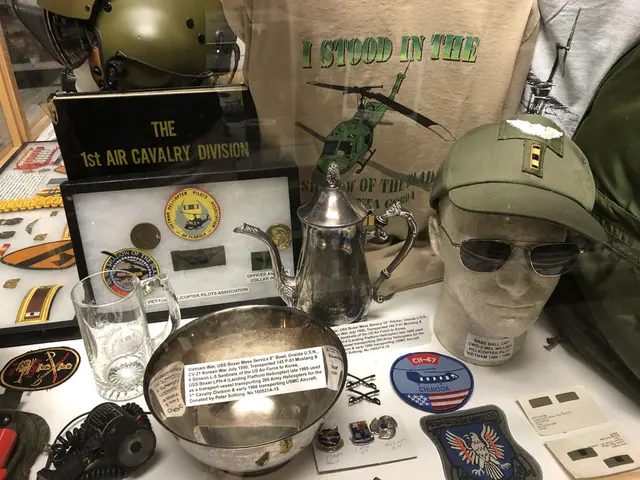
Displays include 1st Air Cavalry Division patches, headgear and personal items.
8,744,000Americans served
1990–1991
Gulf War
Operations Desert Shield and Desert Storm, 1990 to 1991.
2,224,997Americans served
Service numbers: U.S. Department of Veterans Affairs, America’s Wars (total U.S. service members, worldwide).
Plan your visit
How do I visit the museum?
Walk in any time the museum is open. There is no ticket to buy and no reservation needed. Volunteer docents are on hand to answer questions and give tours.
Hours
Tuesday through Saturday, 10 a.m. to 4 p.m. Closed Sunday and Monday.
Parking
Park in the patron lot beside the museum building. An overflow lot is next to it.
Next door
The Collier County Museum, which shares our building, displays a Sherman tank on its grounds.
Free books
Take home a free history book from the museum’s shelf.
Groups
Bringing a group? Let us know ahead of time so a docent can be ready.
Find us
Inside the Collier Museum at Government Center
3331 Tamiami Trail ENaples, FL 34112
The museum is at the Collier County Government Center on Tamiami Trail East (US 41).
Our story
From an airport terminal to the Government Center
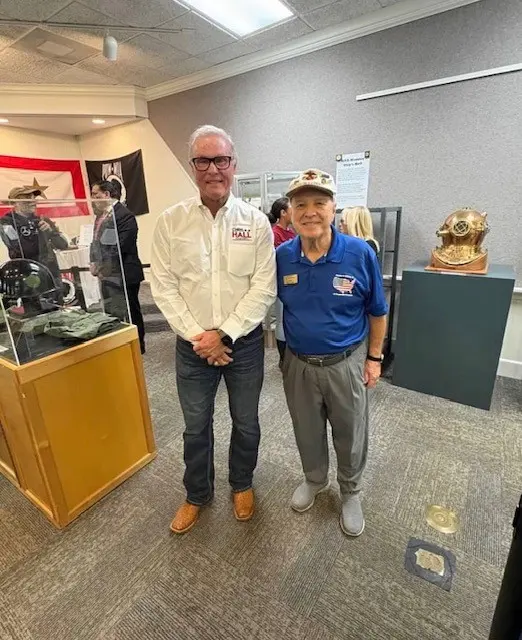
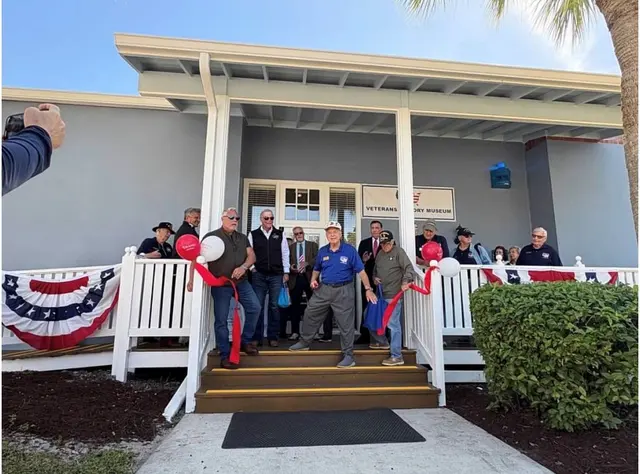
The museum began in 2006 and opened its first gallery in the Naples Municipal Airport terminal, a site built by the Army Corps of Engineers during World War II to train pilots for the Pacific theater. In 2025 it moved into the Collier Museum at Government Center and reopened on Veterans Day. Collier County Commissioner Chris Hall was instrumental in helping the museum relocate there.
“This is an extraordinary opportunity to create another historical touchstone in Naples.”
Dr. Lois Bolin, Naples Backyard History, on the museum’s first gallery (Florida Weekly, July 2011)
Get involved
How can I support the museum?
The museum is run by volunteers and supported by the community. Here are three ways to help.
Give
Donate online, honor someone with a Wall of Honor paver, or plan a legacy gift. Donations are tax-deductible.
Volunteer as a docent
Give tours and share stories with visitors, three hours a day, once a week.
Donate an artifact
Have a military item with a story? Contact us before bringing it in.

Questions
Frequently asked questions
Is there an admission fee?
No. Admission to the Veterans History Museum is free. Donations help the museum care for its collection, and they are always optional.
Where is the museum?
The museum is inside the Collier Museum at Government Center, 3331 Tamiami Trail E, Naples, FL 34112. It is on Tamiami Trail East (US 41) at the Collier County Government Center.
When is the museum open?
The museum is open Tuesday through Saturday, 10 a.m. to 4 p.m. It is closed on Sundays and Mondays.
Where do I park?
Visitor parking is in the patron lot beside the museum building. An overflow lot is next to it for busy days.
Is there anything to see outside?
Yes. The Collier County Museum, which shares our building, displays a Sherman tank on its grounds.
Can I take a book home?
Yes. The museum offers historical books that visitors can take home for free. Look for the bookshelf during your visit.
Is the museum wheelchair accessible?
Yes. The museum is inside the Collier Museum at Government Center, a Collier County public building, and is wheelchair accessible.
Can a group visit or book a speaker?
Yes. Volunteer docents give tours during open hours, and museum volunteers speak at lunches and meetings. Send a message ahead of a group visit so a docent can be ready.
Can I donate a military artifact?
Yes. Please contact the museum before bringing anything in. A volunteer will ask about the item and its history, then arrange a time to see it.
Are donations tax-deductible?
The Veterans History Museum, Inc. is a 501(c)(3) nonprofit organization, EIN 76-0828061. Donations are tax-deductible to the fullest extent allowed by law.